A music-led home layered with character
description
Located along Cantonment Road near the Everton Park neighbourhood, this four-room flat by No Sense Studio is designed for a Korean-Singaporean couple with a deep appreciation for music, vintage objects and collectible furniture.
The homeowners were drawn to the neighbourhood for its balance of convenience and quiet charm. While centrally located and connected to work, the area’s understated atmosphere offered a softer alternative to denser urban living. Influenced heavily by Korean interior design culture and independent sourcing, the wife – a content creator – approached the home as an evolving collection of objects and experiences.
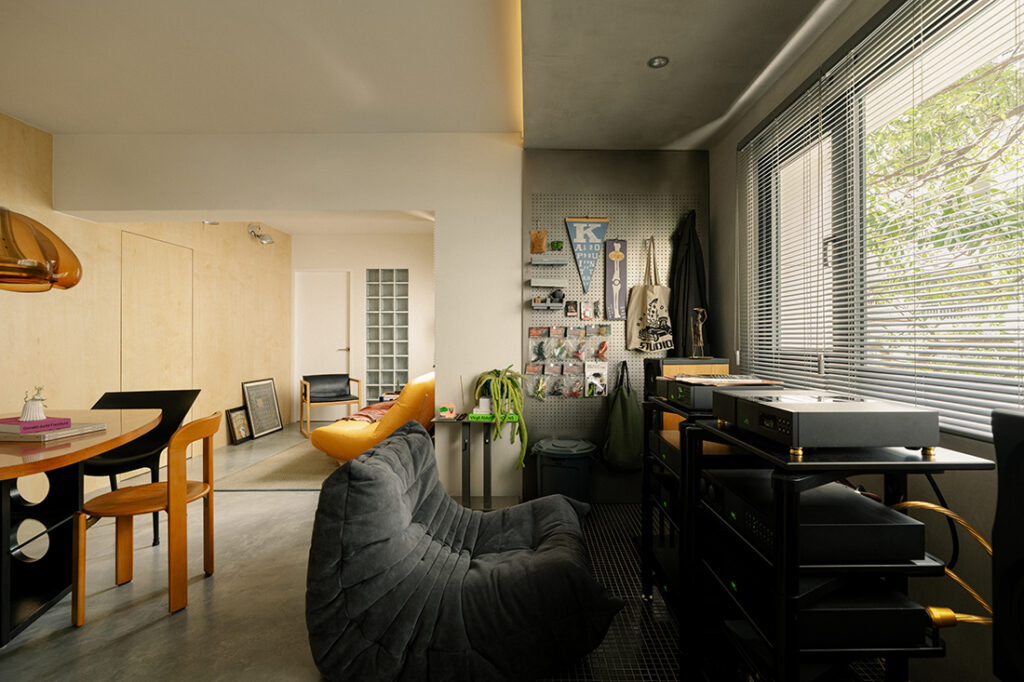
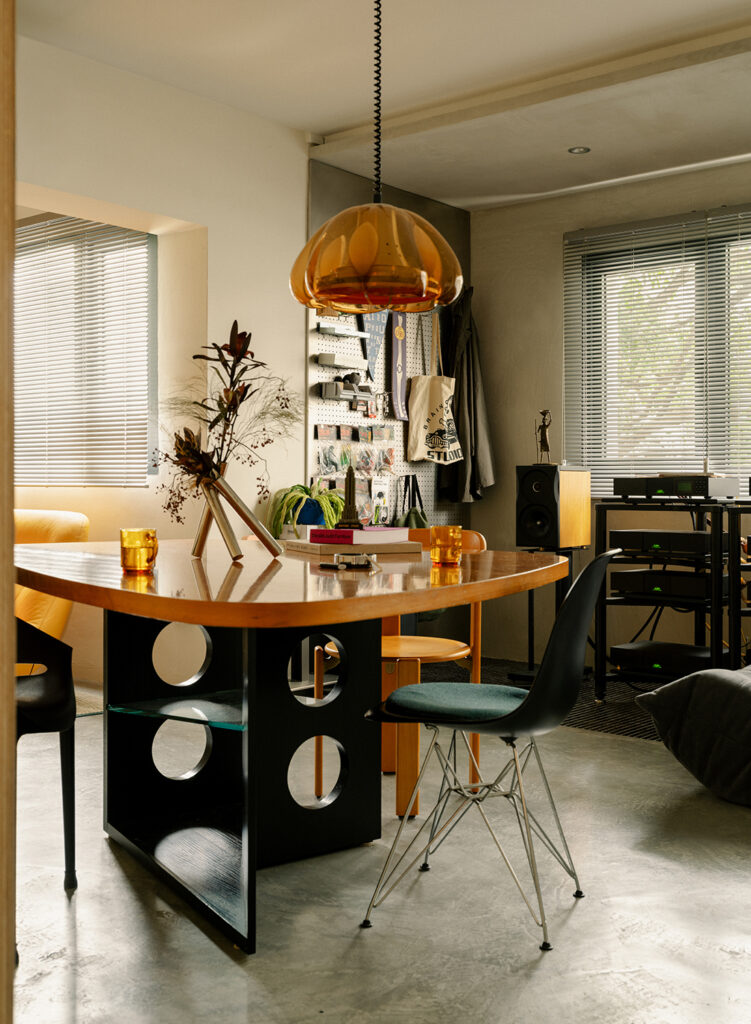
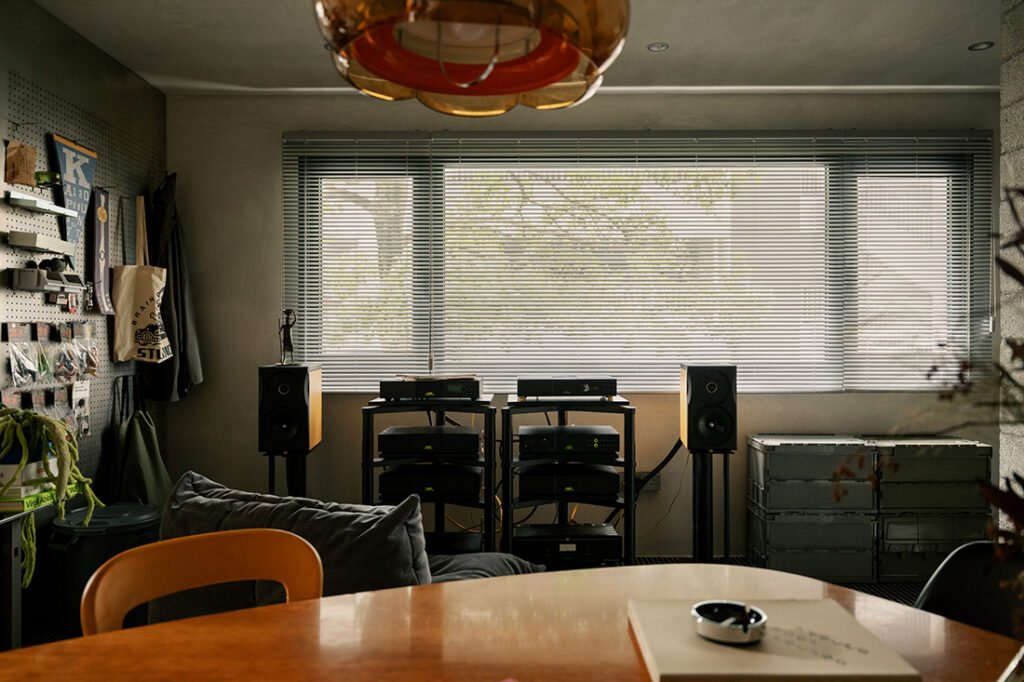
From the outset, the brief for No Sense Studio designer Vincent Li centred around creating a neutral architectural backdrop capable of supporting an eclectic mix of furniture, lighting and collected vintage pieces. Equally important was the couple’s elaborate hi-fi setup, which required the home to function as a carefully controlled listening environment.
To achieve the acoustic requirement, extensive interventions were introduced throughout the home. “Soundproof windows and an upgraded sound-insulated main door were installed alongside the use of 120kg rock wool insulation in the partition walls – significantly denser than the standard 40kg typically used,” explains Vincent. These technical upgrades created a quieter and more immersive environment tailored to music listening without visually disrupting the home’s calm aesthetic.
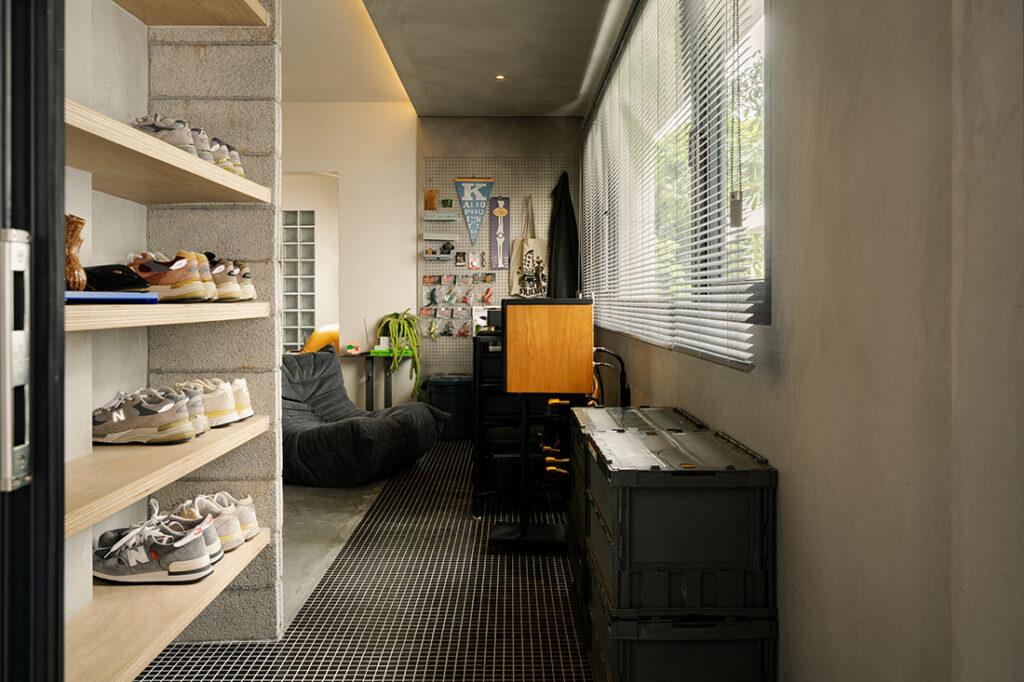
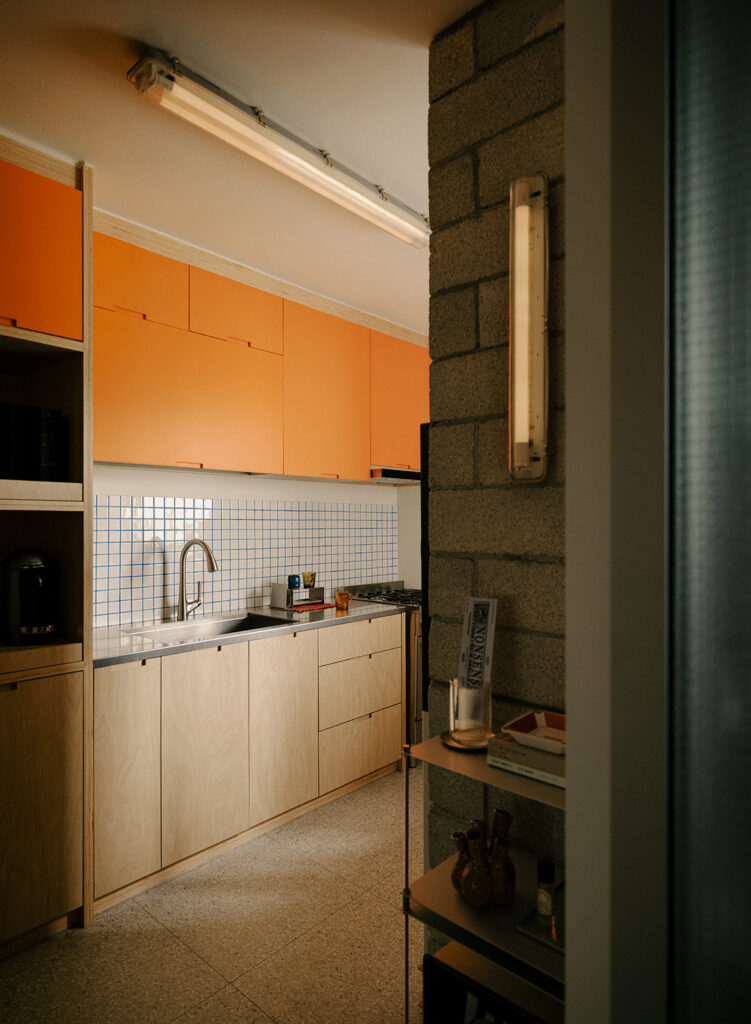
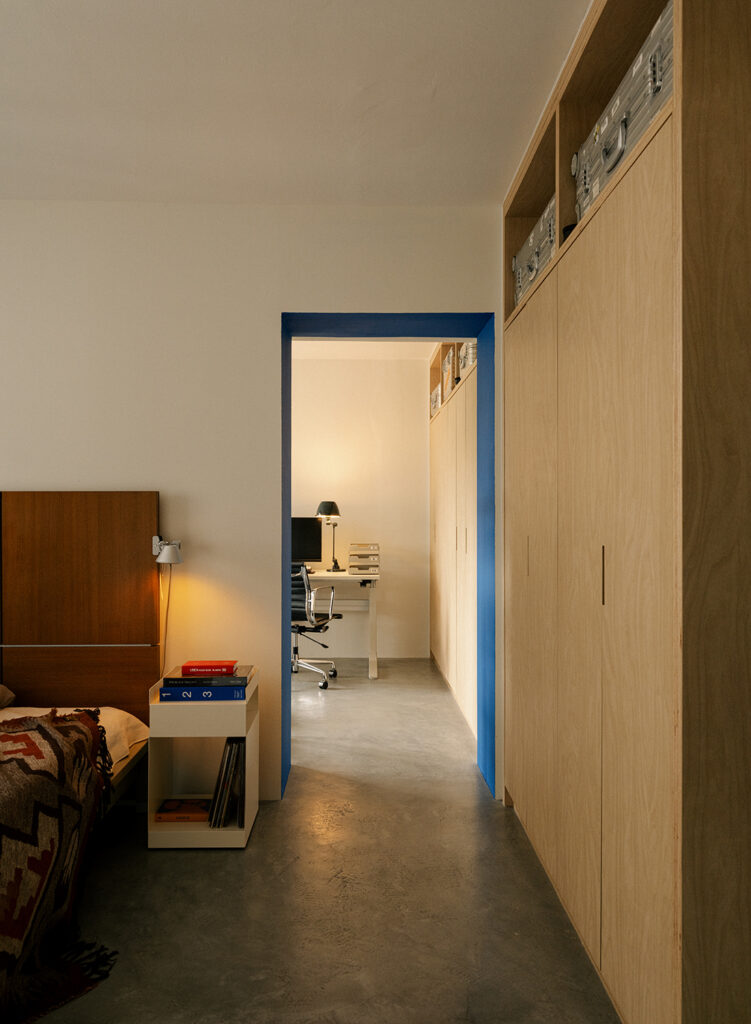
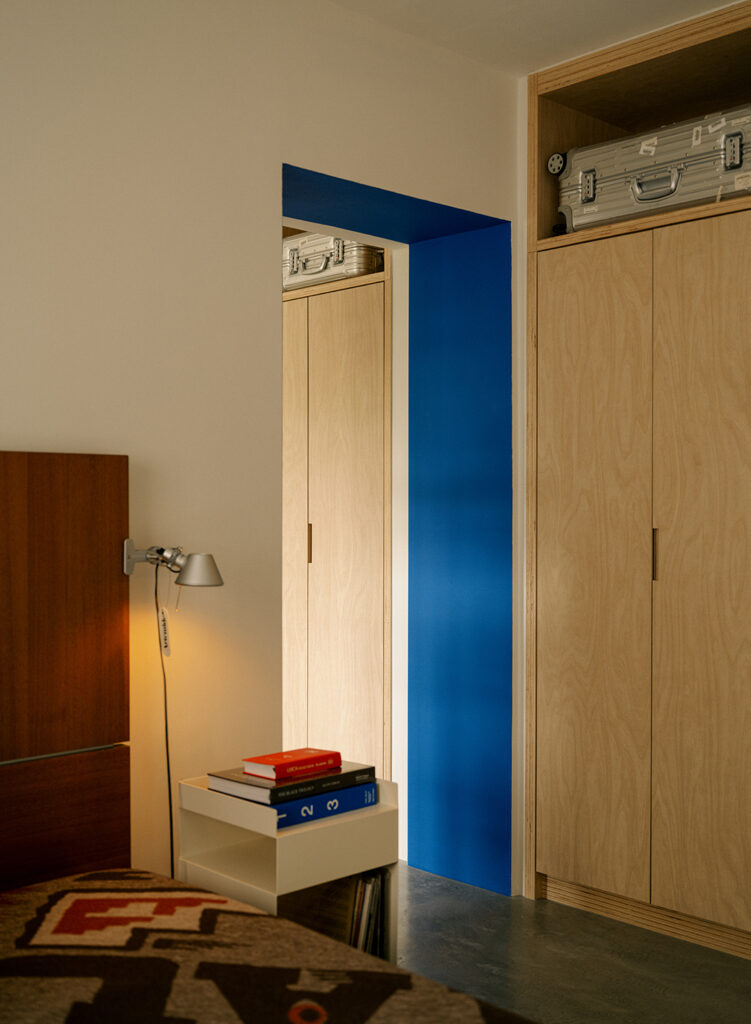
Overall, the original unit was almost entirely reworked, with the exception of the kitchen. A key spatial move involved expanding the foyer into a generous landing area that gradually transitions into the living and dining spaces. This enlarged threshold became one of the home’s defining moments – housing the hi-fi setup and establishing the unit’s atmosphere immediately upon entry. One common bedroom was transformed into a larger walk-in wardrobe and study, prioritising flexibility and functionality over room count.
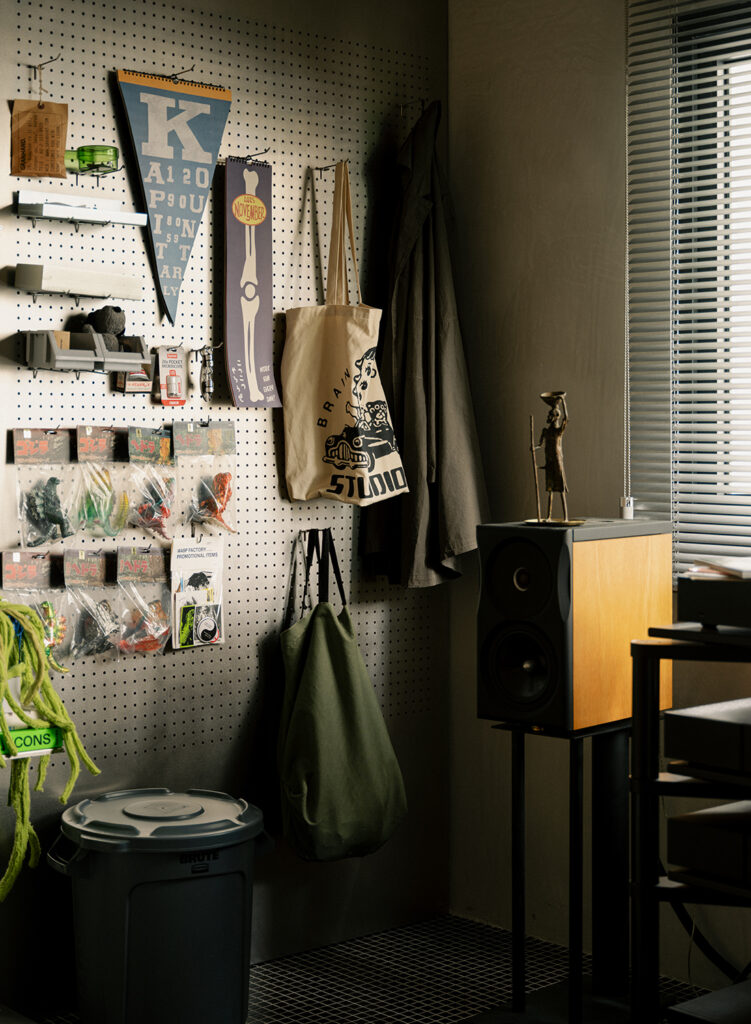
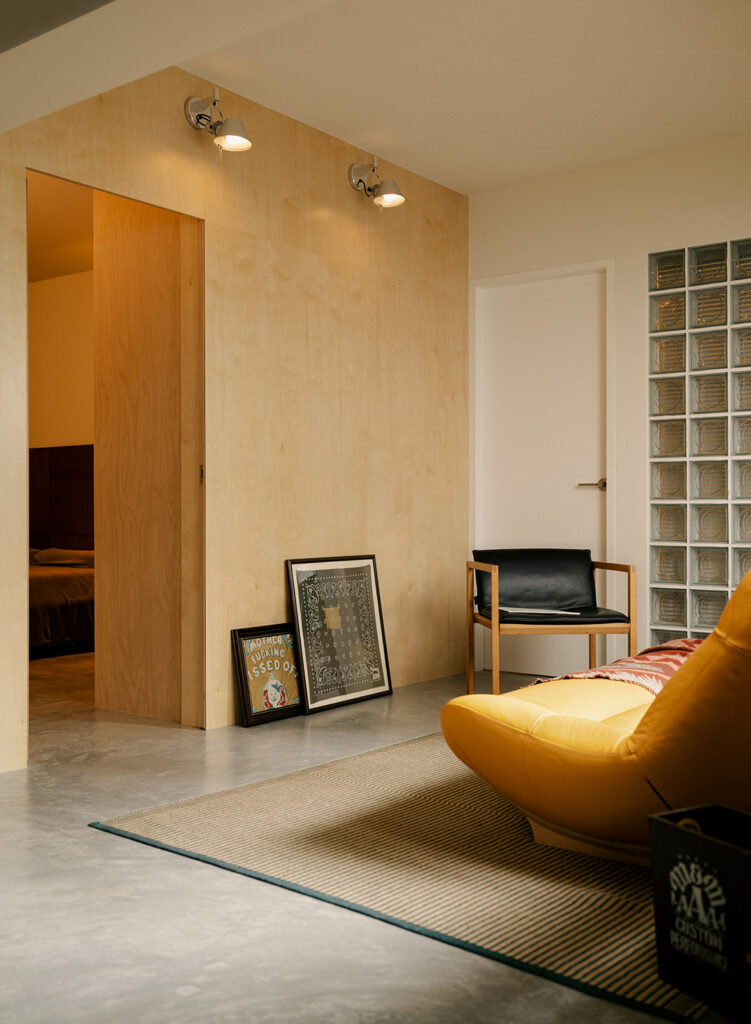
Materiality throughout the home is intentionally understated. Birch plywood wall cladding, cement screed surfaces and restrained tile selections create a muted architectural shell that complements rather than competes with the homeowners’ furnishings and collected objects. In the foyer, black mosaic tiles mark the transition into the home, while birch plywood shelving and a hollow block wall replace the need for a conventional shoe cabinet. Full-height stainless steel pegboards introduce an industrial edge, providing flexible display and storage opportunities that can be continually rearranged using oversized industrial pegs.
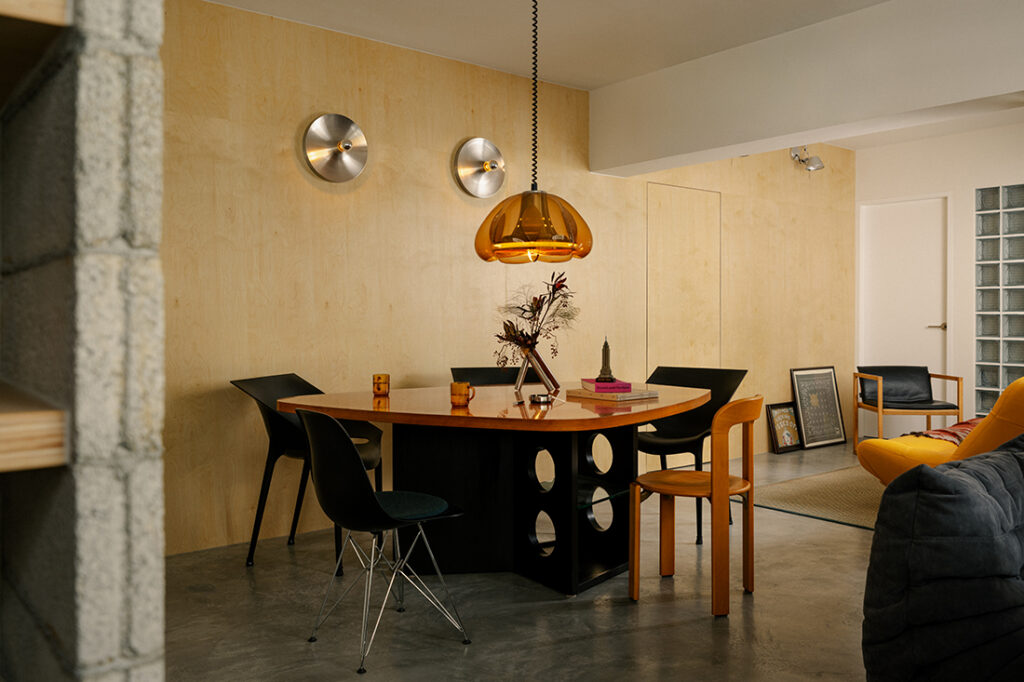
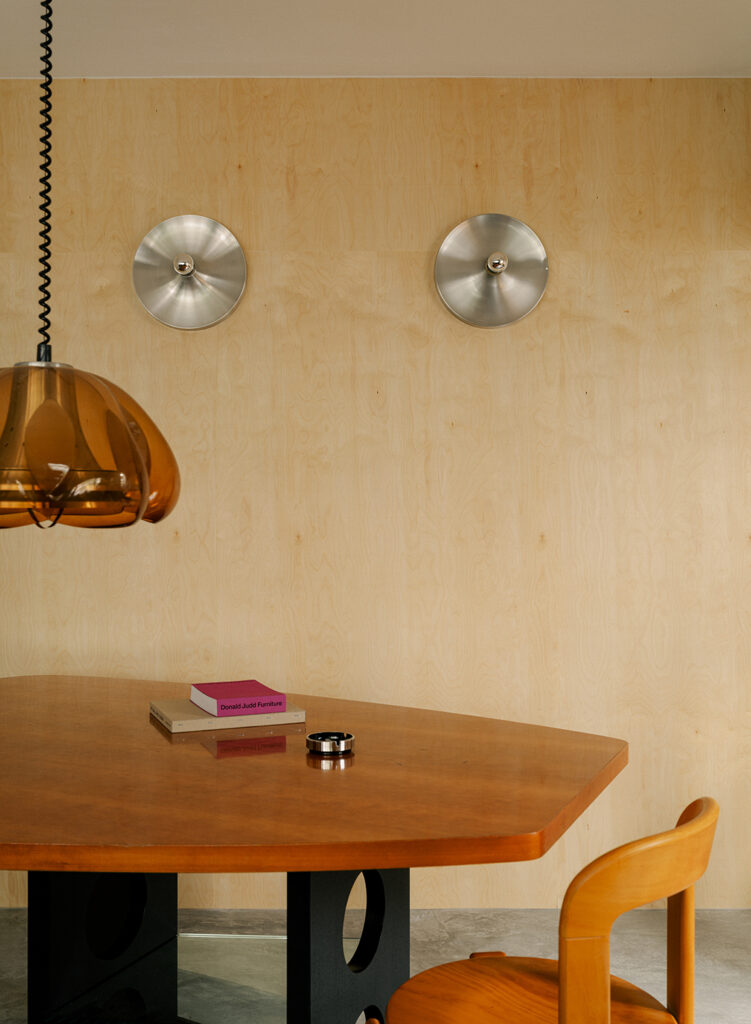
The dining area centres around a vintage table sourced through independent vintage curator Full Orchid. Its irregular shape breaks away from conventional dining layouts, while an eclectic mix of second-hand chairs reinforces the home’s collected sensibility. Above, a vintage double-shade pendant lamp with an adjustable retractable cord introduces both functionality and sculptural presence.
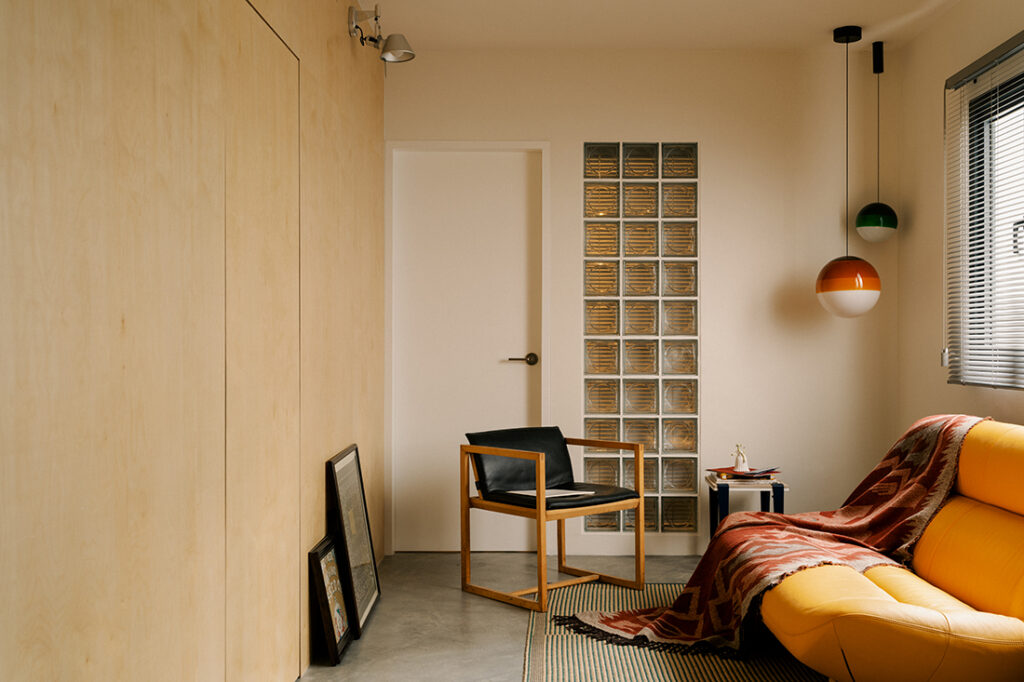
The living room continues the plywood-clad feature wall from the dining space, creating continuity across the unit’s main communal zone. Notably, the homeowners chose to forgo a television entirely. “The decision to omit a TV keeps the space calmer and more focused on conversation, music, and furnishing,” says Vincent. A Ligne Roset sofa anchors the room, while ambient lighting from Marset and integrated Artemide fixtures soften the home’s evening atmosphere.
With its quiet design approach, the home shows how restraint can become a powerful strategy. Rather than competing for attention, the architecture holds the space together gently, allowing music, objects and daily rituals to give the home its character.
No Sense Studio
www.no-sense.studio
www.instagram.com/no.sense_studio
Photography by Marcus Lim
We think you may also like A brutalist-inspired BTO designed for calm and connection
DETAILS
PROJECT GALLERY
PROJECT GALLERY
Foyer
Living Room
Dining Room
Kitchen
Bedroom
LATEST PROJECTS
HDB
1249 SQFT
Inside a BTO colourfully remade for work and play
HDB
797 SQFT
Luxe solo living in a revamped resale flat
Apartment
1259 SQFT
A home of different moods
 L.A Design Studio
Apartment
1432 SQFT
This apartment lost a bathroom and gained a tea room
Landed
6600 SQFT
A semi-D that puts longevity first
HDB
1000 SQFT